
Blog
How Orgasm Day Originated & How We’re Celebrating It

There’s a holiday for almost everything nowadays. From International Pillow Fight Day to Leave the Office Early Day, there’s always an excuse to celebrate something. But few annual holidays carry as much radical power for overall health, gender equity, and liberation as National Orgasm Day on July 31st and International Orgasm Day on August 8th.
The mission is simple and consistent: strip away layers of historical shame, open a dialogue about sexual wellness, and celebrate human pleasure.
Sure, it’s also an excuse to get cheeky beneath the sheets. But the holiday transcends the superficial meaning. It’s an annual check-in with our bodies and our culture. It’s a chance to look closely at how we view intimacy, how we understand our anatomy, and what it takes to close the pleasure gap.
The Origin of Orgasm Day
The beginnings of this holiday take us back to 2007, when councilman Arimateoi Dantas in Esperantina, Brazil, dedicated a holiday to the female orgasm. He claimed he owed a “sexual debt” to his wife and wanted to make amends. Yes, this is real.
What began as a local event with a husband publicly apologizing to his wife for unequal pleasure performed in the bedroom struck a global nerve. Dantas realized that this wasn’t unique to his relationship, but instead, it is a worldwide phenomenon.
The holiday began to spread across South America, then Europe, and then North America. Today, it is an international holiday that supports sexual educators, advocates, and wellness brands worldwide.
The Case for Pleasure
While orgasms, of course, feel incredible, their importance goes beyond pleasure. The mental health benefits, plus the physical health benefits of having an orgasm, are numerous.
An orgasm is when an event occurs that involves rapid, involuntary pelvic floor contractions, firing at a frequency of 1 to 2 Hz. When your body reaches climax, the brain experiences a shift that floods your system with a cocktail of hormones.
Orgasm Benefits
- The release of oxytocin: This is the “bonding hormone” that lowers blood pressure, promotes emotional connection, and creates intense feelings of peace.
- The release of endorphins and dopamine: These are naturally occurring chemicals that are pain relievers and mood lifters. They flush cortisol from our system, the body’s stress hormone.
- Promoting sleep: Looking for a good night’s rest? Post-climax, hormones shift, promoting deep, relaxing sleep.
For women, having an orgasm can improve the pelvic floor muscles and support bladder control. For men, frequent ejaculation is associated with a lower risk of developing prostate cancer, and it also improves blood circulation for cardiovascular health
Our brains are our largest sexual organs, and for an orgasm to occur, a person should first feel safe. For folks healing from trauma or a traumatic event, reclaiming somatic connection—learning how to feel safe with physical sensations—can be a profound step to experiencing physical pleasure.
Enjoy 15% off LELO.com with code VOLONTE15
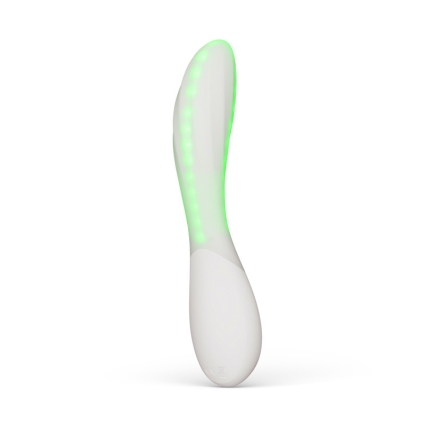
MONA Spectra


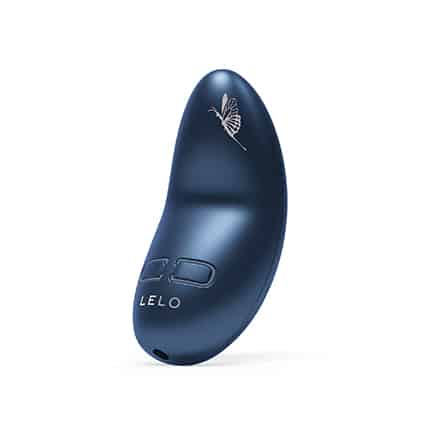
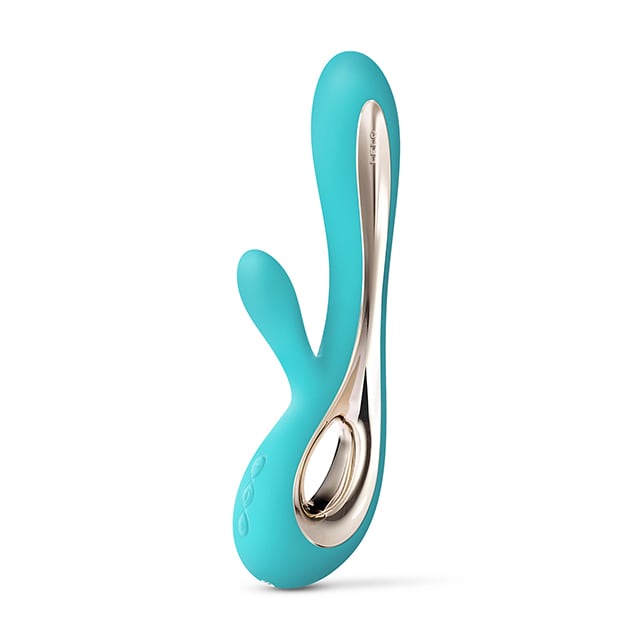
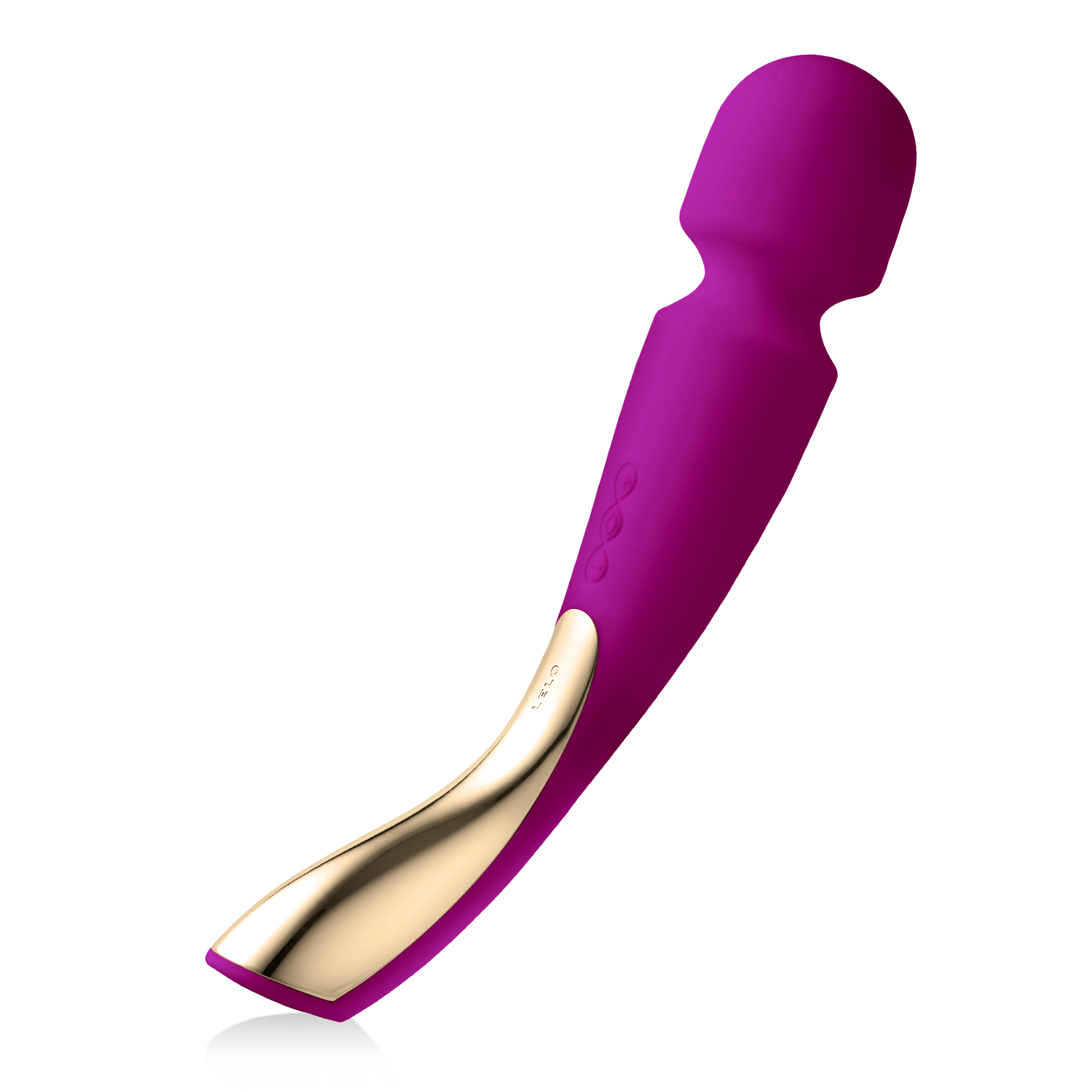

The Orgasm Gap
You’ve likely heard of the pay gap between genders, but do you know what about the gender orgasm gap? Studies have found vast differences in pleasure between men and women. In straight couples, 95% of men reach orgasm during sex compared to 65% of women. In lesbian relationships, the gap was reduced with women reporting an orgasm 86% of the time.
Sexual health educators have pointed to something called “cliteracy” as the reason for this discrepancy, aka a lack of education when it comes to anatomy.
For generations, enjoyable sex between straight couples has been largely promoted as penetrative intercourse. But the data paints a different picture of how orgasms are actually achieved. According to a study published in the Journal of Sexual Medicine, only 18.4% of women reached climax from penetration alone. Roughly 36.6% of women needed clitoral stimulation to reach orgasm, and another 36% said they don’t need clitoral stimulation to reach orgasm but that it enhances the experience.
The clitoris is a web of glands that we can’t see. Understanding this anatomy makes it clear that it isn’t just a bonus; it’s the center of a woman’s pleasure in the bedroom.
People who are experiencing hormonal shifts, for example, during menopause, during gender-affirming hormone therapy, or testosterone use, can experience changes in erectile function or experience a change in how arousal feels. Once again, understanding anatomy and these changes is crucial when educating oneself on anatomy.
How To Celebrate International Orgasm Day
Don’t turn an orgasm into a performance. If we treat sex as either successful or unsuccessful based on reaching an orgasm, anxiety will begin to creep in. Partners will begin to self-monitor and will derail arousal.
The pressure is exactly why many people resort to faking the “Big O,” instead of opting for communication and an open dialogue. A study conducted by LELO actually found that 47% of people have faked an orgasm at least once in their lives.
Embrace sexual wellness and embrace mindfulness. The goal with intimacy is to stop overthinking and fully immerse yourself in the moment.
So, whether you’re celebrating alone or with a partner, here are some tools to keep in mind when celebrating International Orgasm Day.
- Master communication: Judgment-free communication is the best aphrodisiac you can bring into the bedroom. There’s nothing hotter than having a partner who can hear you out and engage in a lighthearted conversation. Share what turns you on, what doesn’t, and normalize giving real-time feedback in the bedroom.
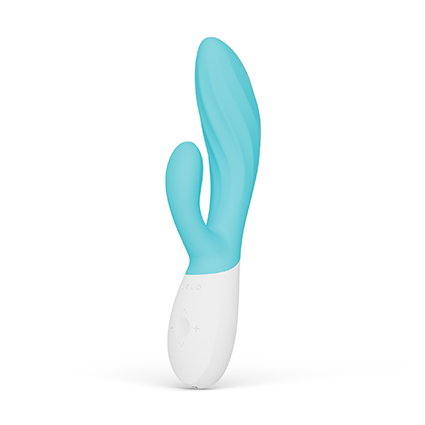
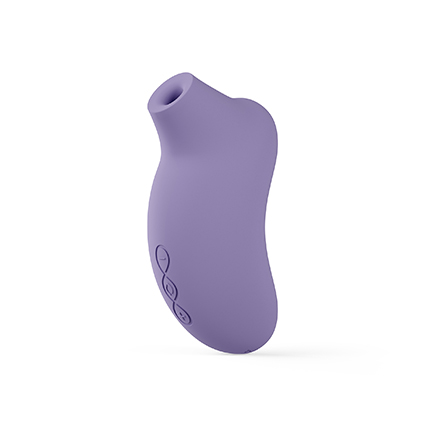
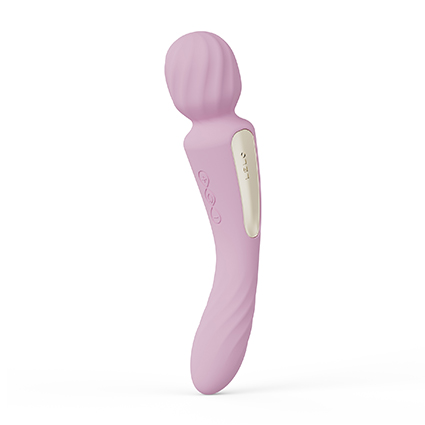
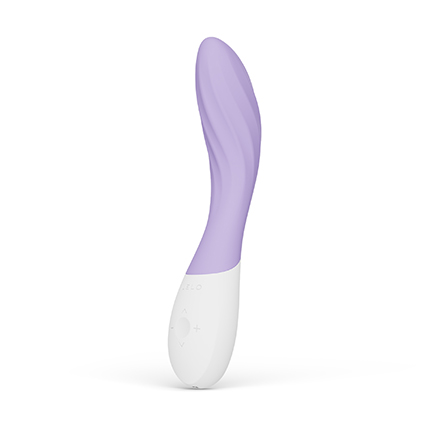
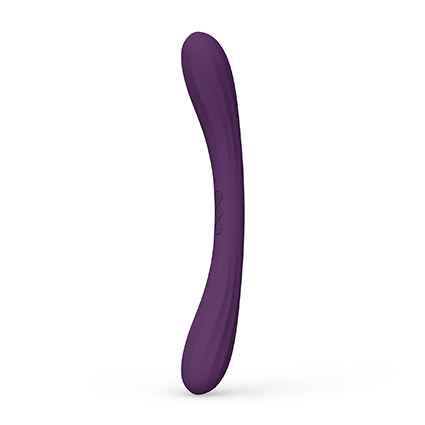
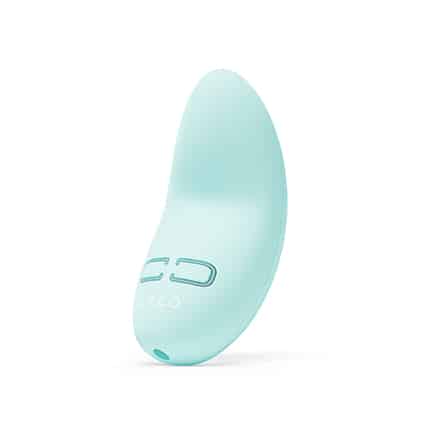
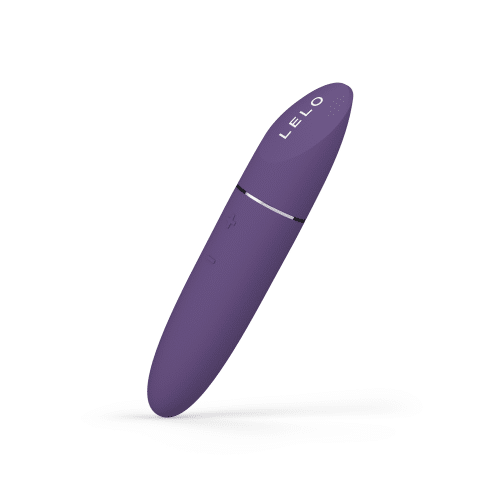
- Introduce sex toys: Use this day to begin exploring with sex toys if you haven’t already. High-quality sex toys—ranging from clitoral stimulators to smart vibrators with biofeedback—provide reliable, safe ways to achieve pleasure.
- Normalize solo exploration: Masturbation is foundational when it comes to sexual wellness. Approximately 40 to 60% of women masturbate compared to 95 to 99% of their male counterparts. But we think that number should be higher. Why? Because it’s a way to explore your body’s own map. What turns you on? What do you love? What do you avoid? Knowing yourself isn’t selfish; it’s the blueprint you need to guide your partner later on.
- Get under the sheets: Overall, play with your partner (or yourself). It is a holiday after all.
International Orgasm Day reminds us that pleasure is not taboo or a transactional reward. It’s a component of human health, emotional balance, and bodily autonomy. Take a breath, drop the expectations, and dedicate some well-deserved time to your body’s capacity in experiencing joy.
Related Posts

The Orgasm Gap: Why Do Women Orgasm Less Often?
-
Posted by
mediamillion1000@gmail.com

Hands-Free Orgasm: How to Have One (Solo or With a Partner)
-
Posted by

Wellness Isn’t One Thing: A Holistic Approach to Well-Being on Global Wellness Day
-
Posted by

Orgasm Gap – Statistics on the Female Orgasm
-
Posted by


The Anatomy and Guide To Female Orgasm
-
Posted by

A Handsfree Prostate Orgasm Guide
-
Posted by


How To Reach an Orgasm (Solo and Partnered)
-
Posted by