
Blog
Microplastics in Sex Toys: Is Your Favorite Vibrator Releasing Harmful Particles?

We use affiliate links and may receive a small commission on purchases.
 A 2023 study reported that sex toys can break down into microplastics and phthalates, which is obviously a concern since those present risks to both our personal health and the environment. We at My Sex Toy Guide are here to help you understand the science and the risks.
Key Takeaways
- Microplastics are tiny plastic particles, often less than 5 millimeters, sneaking into many products, including sex toys.
- Luckily, the sex toy universe offers some stellar alternatives that are as safe as they are exciting. Silicone toys are like the knights in shining armor: non-porous, easy to clean, and free from chemical nasties. Then there’s glass and metal, the non-porous, chic options for those who like a bit of elegance and safety in their escapades.
- And don’t forget the condom trick, the mini superhero cape for your toy, shielding you from potential microplastic villains lurking within.
What Are Microplastics and Phthalates, and Why Don’t We Like Them?
Microplastics are plastic particles less than 5 mm in length. They are intentionally created for use in industrial and cosmetic items (microbeads), and they are created as byproducts of larger plastic items and synthetic clothing pieces. Microplastics are not biodegradable, so they are found nearly everywhere on Earth and in human bodies. When they are in our bodies, they can cause issues such as inflammation and contamination.
It is almost impossible to completely avoid microplastics in the world since they are found in indoor and outdoor air, tap water and bottled water, food, clothing, personal care products, and more. However, it’s still a good idea to limit our exposure as much as possible, and it’s completely reasonable to be concerned if items that we insert into our bodies might be leaching microplastics.

Another plastic-related concern is phthalates. These are industrial chemicals that are used in manufacturing to give plastic products flexibility and a soft feel, and they are also used in personal care products. Phthalates can leach into the air, and they can also be absorbed through the skin.
Phthalates are endocrine disruptors, which means that they interfere with hormonal regulation and can cause sexual/reproductive, neurological, and developmental issues. They are also extremely pervasive; nearly all humans have detectable levels of phthalates in their urine. As with microplastics, it is not feasible to eliminate them from our lives but we should reduce exposure whenever we can.
Scientific Studies About Microplastics in Sex Toys
A 2023 study published by Joana Sipe and Christine Hendren in Microplastics and Nanoplastics (2023;3(1):6) demonstrated that due to abrasion through friction during use, the sex toys that they tested released microplastics that could be absorbed. In addition, phthalates were present at levels “exceeding hazard warnings,” as defined by the Consumer Products Safety Commission. This is big news, since microplastics and especially phthalates are linked to health issues including diabetes.
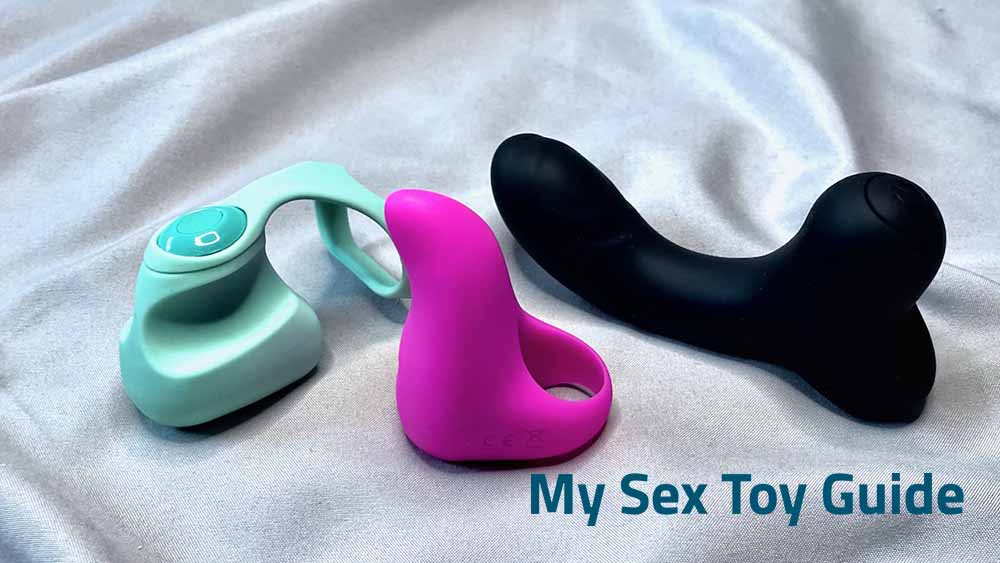
Since we use sex toys inside our bodies — the toys tested included an anal toy (butt plug), anal beads, a dual vibrator, and an external vibrator — it feels very alarming to think that they could be emitting microplastics and phthalates. For many of us, sex toys are a part of self-care and wellness; it almost seems like a betrayal that they could be toxic.
This was a published, presented, peer-reviewed study. We have absolutely no reason to doubt these experts in their field. But we are experts in our field (sex toys, yay) and we know that there are ways to significantly reduce our risks.
Solutions and Protections
Let’s take a look at the toys that were used in this study. It is appropriate that we don’t know the makes and models (this is academic research, not product development), but we do know that:
- The anal toy was made from polyethylene terephthalate (PET) and generated plastics with an average diameter of 950 μm.
- The anal beads were made from polyvinyl chloride (PVC) and generated plastics with an average diameter of 658.5 μm.
- The external vibrator was made from a silicone blend (polydimethylsiloxane [PDMS]) and generated plastics with an average diameter of 1673.33 μm.
- The dual vibrator was made from a rubber mixture (polyisoprene) and generated plastics with an average diameter of 887.83 μm.
It’s important to note that these sex toys were made from either hard or soft plastics or polymers; the one toy that contained silicone was a “blend.” We have consistently advocated for and recommended sex toys made from non-porous materials. These are safer and more body-friendly because they can be thoroughly cleaned. It now appears that they may be more body-friendly in other ways, since they won’t leach microplastics and phthalates into your body or into the world to be absorbed by other bodies.
Our choices:
- Glass: We recommend borosilicate glass, which is the same material that your grandmother’s PYREX was made from. It won’t break easily and it can be scrubbed and boiled with no issue. It’s also very well suited for temperature play. And, of course, if there’s no plastic in your toy, there are also no microplastics or phthalates.
- Metal: If stainless steel is good enough for surgical instruments, it’s good enough for sex toys! Sex toys made of stainless steel, aluminum, or other metals do not emit microplastics or phthalates (only plastic products do that). They are also easy to clean and sterilize, do not get scratched or bent easily, and warm up to body temperature pretty quickly.
- Silicone (preferably medical-grade): We acknowledge a bias towards silicone, but it genuinely does seem to be the ideal material for sex toys. It’s body-friendly in every way and high-quality silicone can feel either velvety or silky, depending on the formulation.
There are real reasons to be wary of microplastics and phthalates, especially when your sex toys are in direct contact with vulnerable mucus membranes. However, there is no reason to choose to expose yourself, especially when there are so many terrific and safe sex toys on the market.
If you are especially concerned, or if you have a plastic or jelly sex toy that you just adore (we get it, there’s a special kind of comfort that comes from Old Faithful), you could practice safe sex and slip a condom over your toy. This reduces the risk of contamination from microplastics and phthalates as well as anything else, since those toys cannot be thoroughly cleaned or sterilized.
Final Thoughts
Microplastics and phthalates are highly problematic on both a personal and societal level, and we are glad that researchers are looking at sex toys in this context. It is always important to make informed decisions about our health and wellness, and more data is better. However, it is relatively easy to choose sex toys that have a much lower risk of polluting our bodies and the Earth, and we hope that this is a choice you will make going forward.
Happy vibing!
Rachel

Rachel is one of our most experienced product testers. Originally from Texas, she loves sushi, white wine, and spending time with her partner Jessica. She has been featured in Cosmopolitan, Yahoo.com, Women’s Health, Healthline, Glamour, and MindBodyGreen.
Related Posts


The Biggest Anal Sex Myths – and What’s Really Behind Them
-
Posted by
mediamillion1000@gmail.com


Oh Joy Sex Toy – The Shibari Lingerie by Hien Pham
-
Posted by


