
Blog
Medical Fetish Guide: Beginner Tips & Safety

We use affiliate links and may receive a small commission on purchases.

Doctor, doctor,
Can’t you see I’m burning, burning?
Oh doctor, doctor,
Is this love I’m feeling?
Lips at night
Give such delight!
— Doctor, Doctor, Thompson Twins
If you’re an adult who wants to play doctor, you’ve found the right article. We are going to explore medical fetishism, sometimes known as “med-fet.” Med-fet can range from a little white-coat roleplay to elaborate setups that include hospital-grade instruments.
Like any other kink, it’s important to be on the same page as your partner, so we’re going to walk through some of the basics of medical fetishism.
What Is a Medical Fetish?
A medical fetish is when people are aroused by medical themes and scenarios. This can include roleplay and props. Costumes/uniforms are often a big part of medical fetish play, whether that’s a white nurse dress, scrubs, or even patient gowns. Luckily, the internet has made these very accessible! It’s easy to dress up like a doctor or nurse, and for some of us, that’s enough!
Why Do People Enjoy It?
Some people are intrigued by the power dynamics that are inherent in many medical scenarios, and some people thrive on being cared for and nurtured. Others are more drawn to the forced intimacy of medical exams and procedures. And some just like what they like!

We all know that doctor-patient relationships are strictly off-limits in real life so the allure of the forbidden is part of the medical fetish for many folks, much like teacher or preacher scenarios. There’s nothing wrong with roleplaying any way that you want as long as it is between consenting adults! But if your partner does not consent to this kind of play, there are plenty of other fetishes that you can explore; you may be able to agree on one that suits you both.
Sounds Good! But How Do I Start?
Please note that medical fetishism is kink, and you should be careful both emotionally and physically. Any action that you take upon the information on this website is strictly at your own risk, as laid out in our Terms of Service.
1. Communication Is Key
As with any kink, it’s crucial for both of you to communicate expectations, boundaries, and limits. One of you may be thinking “white coat with nothing underneath, sweet!” and one of you might be thinking about getting strapped down on a surgical table. It’s not wrong to want either of these, of course, but it’s probably not going to go smoothly if you show up with such different expectations.

This is not a one-time conversation, either. Continue to check in with each other and share what you liked, what you didn’t like, and what you think needs tweaking. Enthusiastic and informed consent is sexy!
2. Do Your Research
Part of establishing expectations and boundaries is having a really good idea about what terrain you will be traversing. Spend some time learning about medical fetish play so that you can be confident where your limits lie. Think about what scenarios intrigue you, and what roles feel most comfortable to you.
Some of the gear that some people like to incorporate into their med-fet play has the potential to be uncomfortable (or worse) if it is misused. Make sure that you understand what you’re looking at and how you plan to use it.
3. Select Your Tools
As with many fetishes, it’s important to set the scene. Costumes and props are a big part of this, since they help create a truly immersive experience.
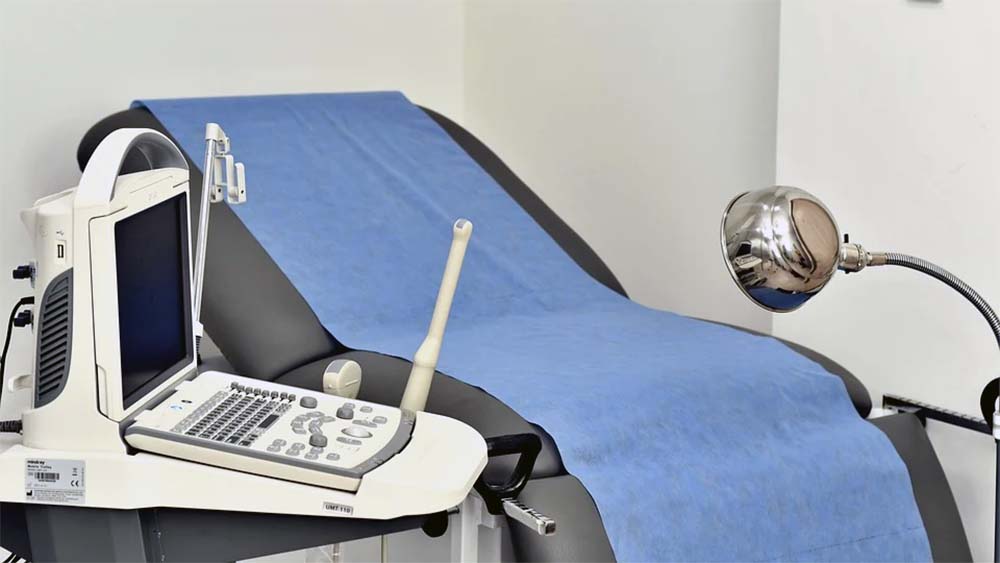
“Medical” is pretty broad, so it’s important that you and your partner narrow down what you’re looking for and what you’re comfortable with. Authentic hospital scrubs or a short low-cut white nurse dress (that no real healthcare provider would ever wear in the trenches!)? Soft restraints or a urethral sound? The good news is that whatever you want, it’s probably out there, but you have to know exactly what it is that you both want!
4. Share Aftercare
Aftercare is especially important after an intense shared experience, and a lot of kink gets pretty intense. Take some time to come down together and reconnect.
Explore together what you liked, what you didn’t like, and what you might want to do differently next time — or whether there will be a next time at all. You and your partner need to agree to listen affirmatively to each other and create a safe space where you can be completely open without judgement (saying “no” is fine, saying “ew” or “if you loved me, you would” is absolutely not fine).
What Should Be Avoided?
We can’t provide an exhaustive list of everything that’s unsafe, but it’s fair to assume that if a provider needs to be licensed to do it, you shouldn’t try it at home. (The reverse doesn’t always hold: not needing a license or prescription doesn’t automatically make it safe.) But some of the things that we’ve seen people do and wish that they hadn’t include:
- Injections: It’s okay to play with syringes if they get you going, but needles are a no-no. It looks simple when nurses do it, but that’s because they have tons of experience. You’re risking infections, abscesses, and the complications that frequently accompany infections and abscesses. Even more serious is an air bubble in your vein or your partner’s vein. This can kill a person instantly. Don’t go there.
- Cervical Penetration: You may love the idea of going deeper than deep, but there are reasons why cervixes generally remain closed unless a person is in active labor! You risk serious pain and even permanent damage. There are some things that should remain firmly in the fantasy or roleplay realm and this is definitely one of them.
- Catheterization: Catheterization is another procedure that may look simple but is not meant for amateurs. It’s not as easy to do right as it looks, and doing it not-right is likely to lead to infection or worse. It’s worth noting that urinary tract infections are often asymptomatic in people with penises, which means that they may not know that anything is wrong until they’re looking at kidney issues or even possible sepsis.
- Sutures: It’s not that big a deal if you mend a hole in your sock and it’s a little crooked and lumpy, but your partner’s skin shouldn’t ever be crooked and lumpy! Suturing is a skill that’s learned in medical school, so if you haven’t had that opportunity, you shouldn’t be stitching humans up. Risks include scarring, infection, and worse.
If you and your partner are in agreement that you want to push the limits, you could consider electro-sex toys. These are not risk-free so you should take proper precautions, including establishing a safe word, but they are designed to be user-friendly for people who do not have advanced training in the health professions.
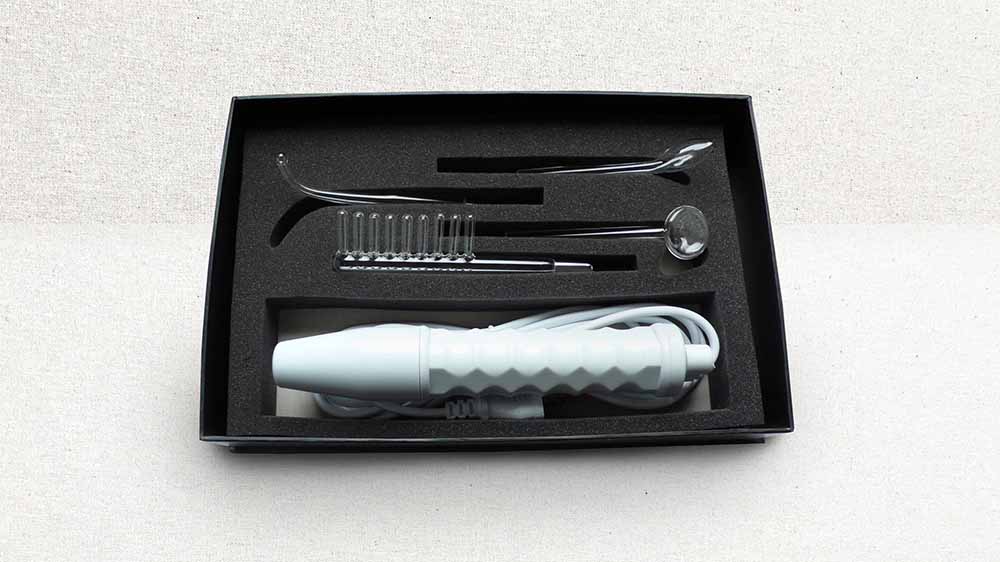
Using Medical Fetish Toys
Some of the most accessible medical fetish toys include gloves and speculums. Some “exam” gloves are latex; we recommend purchasing nitrile or vinyl instead since some folks react poorly to latex. Speculums come in both plastic and metal versions. Most of the plastic speculums are transparent, which is nice for the person on the other end, but those are also usually disposable. Metal can be cleaned and sanitized.
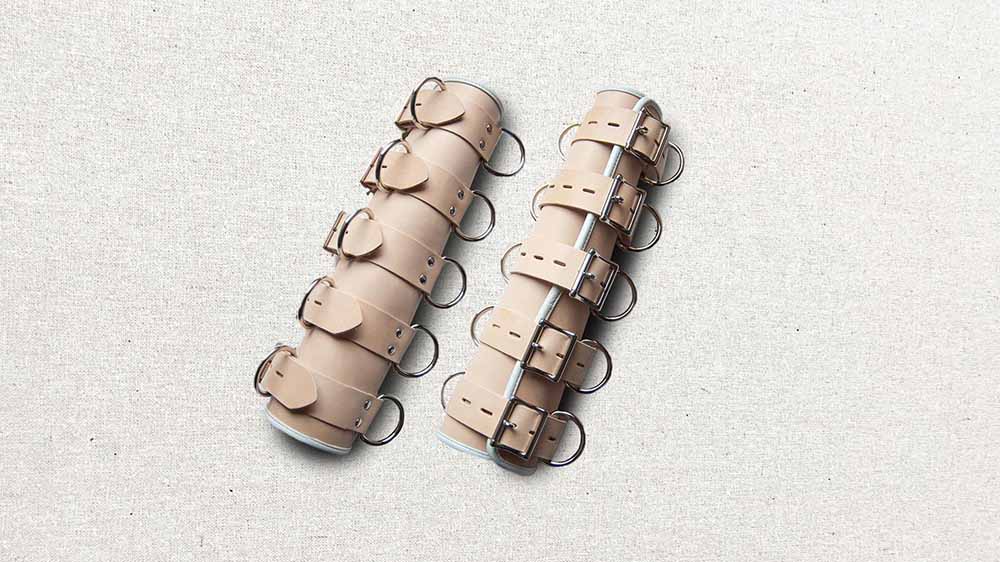
For more involved play, consider restraints like The Stockroom’s Deluxe Medical Arm Splints or even a straitjacket to keep a sub in their place. Spreaders can keep a vagina wide open. Urethral sounds are a (somewhat) safer alternative to catheter play.
You’ll want to use lube with any toys that you’ll be using internally, but that can add to the med-fet atmosphere. You can get lube from medical supply stores, or you can just repackage your favorite product to look more industrial.
We do recommend that you have safety shears on hand if you’re using any sort of restraints in your play, especially since some medical restraints may not have the quick-release feature that we recommend for BDSM-style restraints. Most paramedic kits include shears, so you can work them into your setup.
Maggie

Maggie Hart has written about sexual well-being and sexuality in society for quite a few years now. She is active in communities that celebrate sex for older adults.
Related Posts


What Is a BDSM Switch? A Complete Guide to Role Versatility
-
Posted by
mediamillion1000@gmail.com


